LGBTQ+ Community
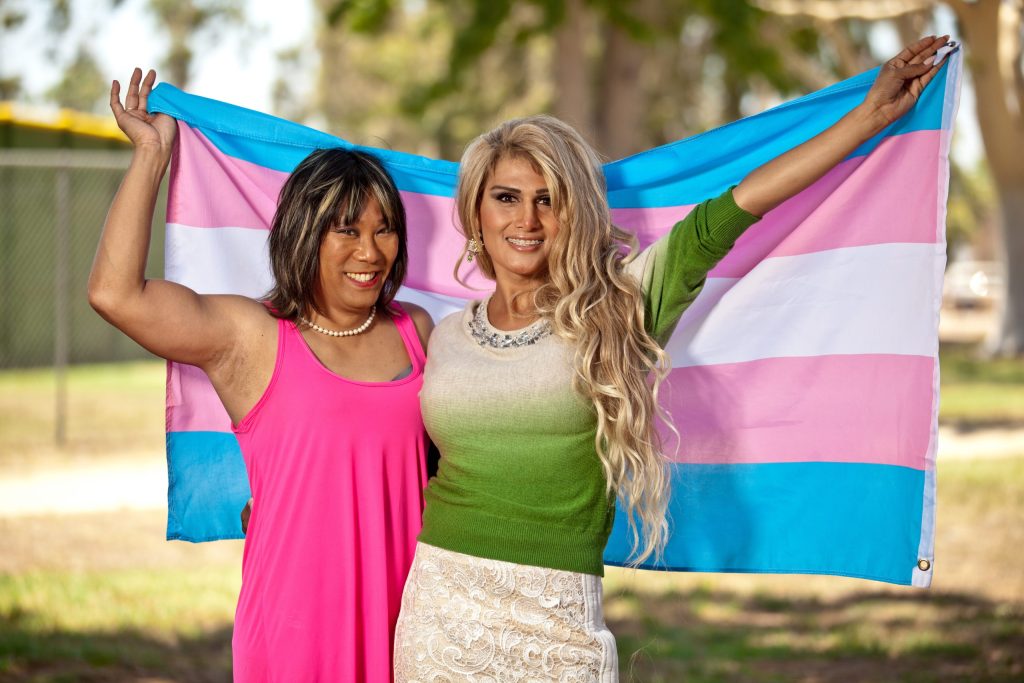
It can be difficult to navigate your way through a world that is often hostile to your very existence. Whether you have always known you are queer or are trying to figure out if there is a place for you within the community, our work together starts with my best effort to allow you to feel safe, accepted, and seen during the therapy hour. We can then address your unique concerns, from coming out, finding the affirming care you need, living authentically as yourself, to whatever other challenges you face.
Trans and non-binary adolescents have their own unique set of challenges. This is a time of life when everybody is working to clarify who they are and how they fit into this world, but this process is infinitely more difficult if it feels like a battle. Therapy is not strictly one-on-one, but can include working with the family or medical professionals.

Trauma Survivors
I have worked with people in volatile or abusive relationships, and with people who have experienced sexual abuse/violence, physical abuse, or a chaotic/unloving home environment. You are not alone and you are not broken.
Even it you don’t identify your experience as traumatic or abusive, you may be tired of being called “too sensitive”, tired of feeling like you’re not good enough or a fraud, and ready to connect with the real you that has been hiding behind a mask.
Neurodiversity
My clients arrive with brains wired in a wide variety of ways. You may have been diagnosed with a “disorder” such as ASD or ADHD, or you may be considering getting assessed. In therapy, I accept you exactly as you are and will not try to move you toward some concept of normal. Instead we focus on embracing your identity and discovering ways to get your unique needs met in a world that is not built for the wide variety of human functioning.
Couples
I am trained in Emotionally Focused Couple Therapy (EFT). This approach sees you and your partner as both longing for a feeling of connection to the other, and that this is a primary need for survival. Together we’ll uncover the “dance” that you and your partner engage in every time you argue or become distant. Then we’ll change the music you’re dancing to. We’ll explore the underlying needs and emotions that lead to distress. And we’ll develop understanding and empathy between partners, and foster new ways of feeling connected.
Relationships can feel especially fragile when one partner is exploring their gender or sexuality. When a couple feels more connected at a deeper emotional level, it can be easier to navigate a life transition together.